Premium Tapered Roller Bearings for Vehicle Aftermarket
No matter passenger cars or commercial vehicle can find its compatible tapered roller bearings
Critical Components for Smooth and Reliable Driving
Tapered roller bearings are essential for managing both radial and axial loads in vehicles, ensuring smooth rotation, stability, and enhanced safety. They are specifically designed to handle heavy loads, making them ideal for key automotive applications like wheel hubs, differentials, and transmissions.
At HSN, we are committed to providing our customers with bearings that meet the highest quality and safety standards. Our manufacturing process includes rigorous testing and certification to ensure that every bearing performs at its best, even under the most demanding conditions. Whether in passenger cars or heavy-duty commercial vehicles, our tapered roller bearings provide unmatched durability, performance, and reliability.
Furthermore, HSN established strategy partnership with WANXIANG (QC brand) who is the top brand in vehicle tapered roller bearings in China, enables us to offer equivalent quality with OE for automotive aftermarket.
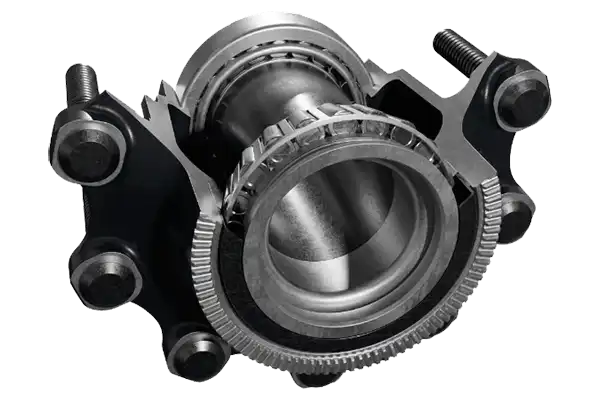
Tapered roller bearings are widely used in the wheel ends of passenger cars, commercial vehicles (heavy-duty trucks), and semi-trailers. They support both radial and axial loads, enabling smooth wheel rotation while carrying the vehicle’s weight. In both front and rear wheel hubs, tapered roller bearings ensure stable operation. Their durability makes them a reliable choice for demanding automotive applications.
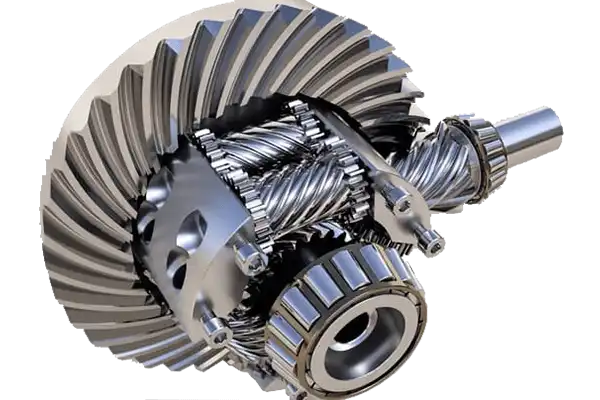
In both passenger and commercial vehicles, tapered roller bearings are widely used in differentials. They are also installed in the axle shafts of heavy-duty trucks. During power distribution between the wheels, the differential experiences significant axial and radial forces. Thanks to their robust design, tapered roller bearings handle these forces effectively and ensure reliable power transfer along with a long service life.
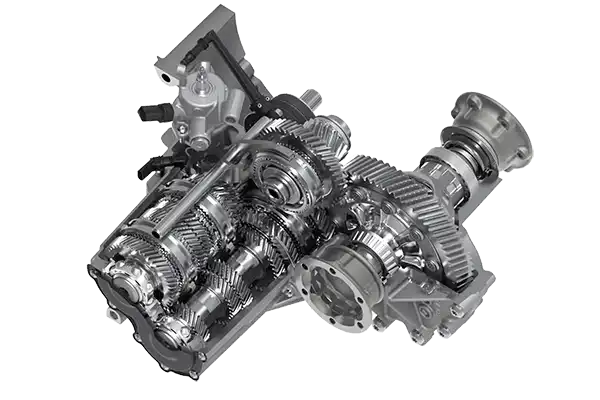
Tapered roller bearings, as well as deep groove ball bearings and cylindrical roller bearings, are also used in manual transmissions and gearboxes. These bearings support shafts and gears in areas where high-speed rotation and varying load directions occur. As a result, they help maintain smooth operation and improve the durability of transmission components.